

Expressions of Interest
Rural Bus 2026 is supported by the Department for Transport and the Bus Centre of Excellence as both understand how vital bus services are in delivering Government's stated missions. Both recognise that improving rural mobility is central to delivering UK Government priorities from economic growth and net zero to levelling up, health, and social inclusion.

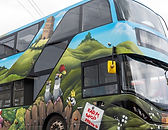

This unique event will bring together more than 250 local authorities, operators, consultancy and service providers to share best practice across the rural bus sector. A range of keynotes, presentations, interactive panels, case studies and organised networking sessions will help delegates understand how to:
-
Make use of the Bus Services Act to support rural buses
-
Develop stronger local control to support rural routes
-
Embed protection for "socially necessary" services
-
Develop robust and timely paths to franchising or Enhanced Partnerships
-
Understand what's available in funding and rural investment
-
Make the most of lessons learned from the Rural Mobility Fund evaluations
-
Create funding formulas that explicitly recognise rural challenges
-
Evaluating how Enhanced Partnership or franchising arrangements can create and maintain local services
-
Making the most of revised planning frameworks – supporting sustainable travel, including rural buses
Rural Bus 2026 – what we'd like to hear from you…
Our Steering Group is now inviting Expressions of Interest, of no more than 250 words, around the key theme of improving rural bus services.
We'd like to hear about the projects, tools, services and innovations that are supporting the development of rural bus-related mobility and integrated networks.
Key themes include:
-
Overcoming the particular challenges faced by rural areas and local authorities outside of major cities
-
Embedding bus services in new development
-
Evaluating the extent and effectiveness of policy and governance in supporting rural bus services
-
Framing the urban / rural debate – rural transport can have many benefits for urban populations
-
The social and economic consequences of poor connectivity
-
Innovation and alternative service models
-
Low carbon rural tourism, leisure and the visitor economy
-
New directions in rural transport, including mobility hubs and e-bikes
-
Practitioner success stories
-
Demand Responsive Transport
-
Total Transport (community, health and education) solutions
-
New approaches to evaluation and economic models in the rural context
-
Skills, training and resource in rural authorities
-
Behaviour change/modal shift in a rural context
-
Improving digital connectivity to support innovative services
-
Transport technology platforms, tools and services
-
Taxis, coaches, car share and supporting services
-
Creating safe, reliable, and inclusive integrated networks
-
Fares and ticketing
-
Tackling the climate emergency
-
Reducing car dependency and promoting rural active travel
-
Supporting the regeneration of rural towns and places
-
Working examples from Europe – best and emerging practice
-
New approaches to allocating limited road space
-
Rural 20-minute cities
-
Buses and light freight services
-
Bus shelters and roadside infrastructure
-
Information and communications


.png)


